
How Germicidal Air Purifiers Help During Spring Allergy Season
Spring brings longer days and warmer weather, but it also brings seasonal allergies. Tree pollen, grass, insects, and other airborne irritants can make your home feel less comfortable right when you want to enjoy the season most. Because most people spend around 90% of their time indoors, cleaner indoor air matters more than many homeowners realize. Germicidal air purifiers can help reduce biological contaminants inside your HVAC system and improve your overall indoor air quality strategy.
Introduction
Indoor air can hold allergens, dust, volatile organic compounds (VOCs), mildew-related contaminants, and other particles that continue circulating through your home. Read on to learn how germicidal air purifiers fit into a healthier indoor air plan, what they can and cannot do, and why spring is the ideal time to have your system evaluated.
Spring Air Quality Solutions
Why Spring Indoor Air Quality Matters
Spring allergy season creates a noticeable shift in indoor comfort. Even when you keep windows closed, pollen and other allergens still enter the home on clothing, pets, shoes, and through normal ventilation. Once inside, those irritants can mix with dust and VOCs already present in your indoor air.
That matters because your HVAC system continuously moves air throughout the house. If the system is not equipped with the right indoor air quality upgrades, it may keep circulating those contaminants instead of helping control them. For homeowners with allergies, asthma sensitivities, or general indoor comfort concerns, spring is often when those deficiencies become most obvious.
Spring allergens do not stay outside. Once pollen and other irritants get into your home, your HVAC system can either help manage them or keep them circulating.
What Germicidal Air Purifiers Actually Do
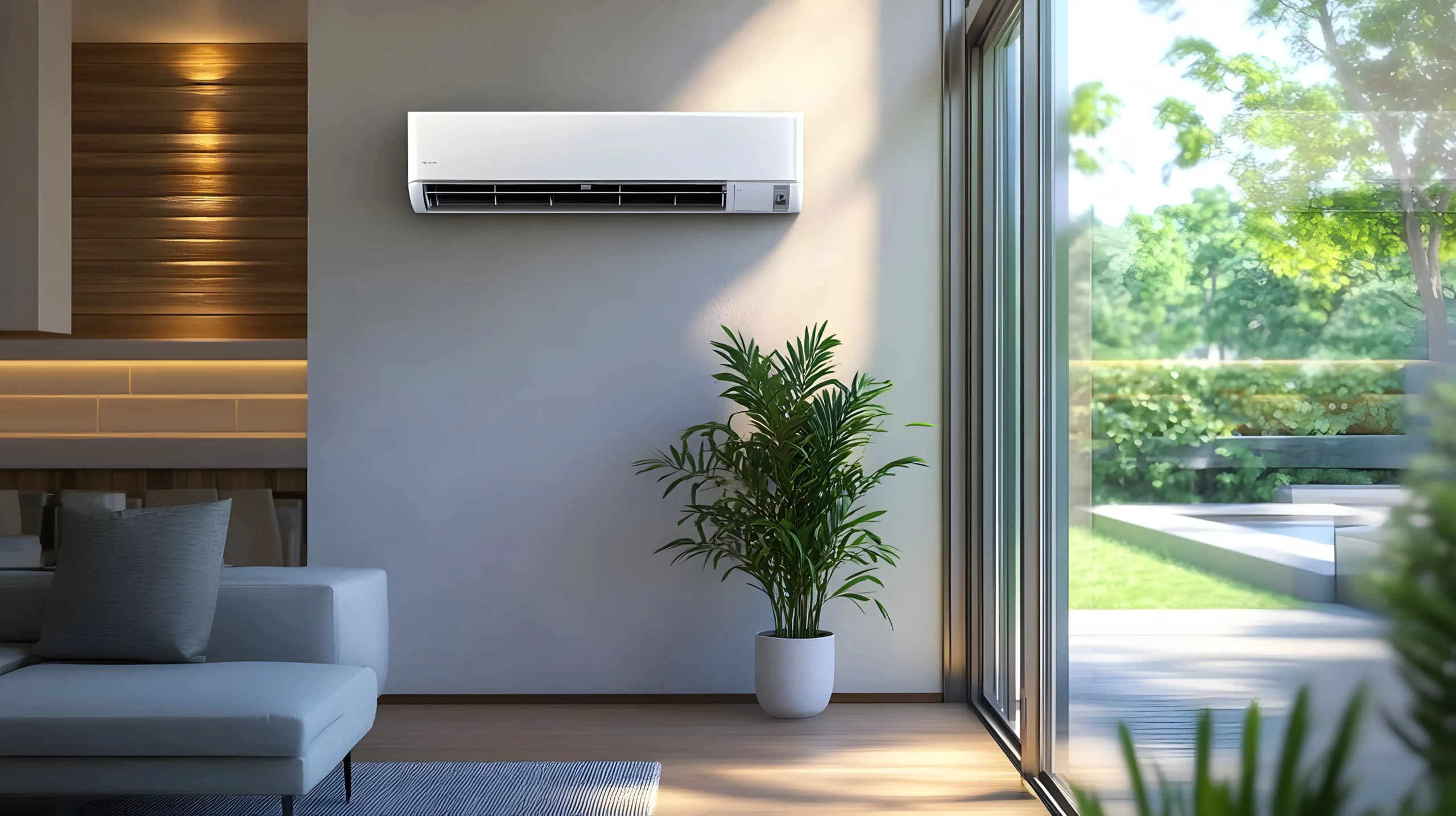
Germicidal air purifiers, also called UV HVAC lights, are designed to target certain airborne and surface-level biological contaminants within your HVAC system. Their purpose is to help sterilize the air stream and nearby system components by reducing impurities such as mildew growth, viruses, bacteria, and some VOC-related contaminants.
These systems support the broader mission of HVAC equipment: maintaining an indoor environment that is both comfortable and safer for the people living inside it. When installed properly, a germicidal air purifier can become an important upgrade for households concerned about cleaner indoor air during spring and throughout the year.
They can be especially beneficial in homes where moisture, microbial growth, or stale indoor air are contributing to comfort issues. By helping treat the air as it moves through the system, UV purification adds another layer of protection beyond heating and cooling alone.
Germicidal air purifiers are designed to sterilize and reduce biological contaminants in your HVAC system, making them a strong addition to a spring indoor air quality strategy.
What UV HVAC Lights Do Not Remove
One important point homeowners should understand is that germicidal air purifiers do not physically remove contaminants from the air. They sterilize or neutralize certain microorganisms, but dust, pollen, dander, and other particles may still remain present in the system and living space.
That distinction matters during allergy season. If your symptoms are being triggered by airborne particles like pollen and dust, UV purification alone may not be enough to deliver the relief you want. It helps with one part of the problem, but not the whole picture.
This is why some homes still struggle with allergy symptoms even after installing UV HVAC lights. The system may be treating microorganisms effectively, while larger physical allergens are still circulating through vents and settling around the home.
UV HVAC lights help sterilize the air, but they do not capture dust, pollen, or other allergy-triggering particles on their own.
Why Pairing a Germicidal Air Purifier with a Media Air Cleaner Works Best
For the best results, a germicidal air purifier should be paired with a media air cleaner. These two systems do different jobs, and together they create a more complete indoor air quality solution.
- A germicidal air purifier helps sterilize or neutralize biological contaminants such as bacteria, viruses, and mildew-related impurities.
- A media air cleaner helps capture physical particles such as dust, pollen, pet dander, and other airborne debris.
- Together, they address both the biological and particle side of indoor air quality.
That combination is especially useful during spring, when homes are dealing with elevated pollen exposure and increased HVAC use. Instead of relying on one accessory to solve every problem, this approach gives your system a more balanced way to improve the air you breathe indoors.
A germicidal air purifier is more effective as part of a larger indoor air quality setup. Pairing it with a media air cleaner helps address both microorganisms and allergy-triggering particles.
Why Spring Is the Right Time to Evaluate Your HVAC and Air Quality
We recommend evaluating the air quality in your home and the effectiveness of your HVAC system every spring. This is the season when many indoor air issues become easier to notice, whether it is increased allergy irritation, musty airflow, lingering odors, or a system that is not filtering as well as it should.
A seasonal inspection can identify whether your current filtration setup is enough, whether UV purification would be a smart upgrade, and whether your equipment is operating efficiently. It is also the ideal time to make adjustments before summer heat puts additional demand on the system.
Streamline Services provides Indoor Air Quality services and repairs on most brands of equipment, regardless of age. That means homeowners can get practical recommendations based on how their current system is performing, not just on what equipment they have installed.
Spring is the best time to assess indoor air quality because allergens are rising, HVAC demand is increasing, and small system issues can be addressed before they become bigger comfort problems.
Frequently Asked Questions About Germicidal Air Purifiers
Do germicidal air purifiers help with seasonal allergies?
They can help improve your overall indoor air quality, but they are not a complete allergy solution by themselves. Germicidal air purifiers are designed to sterilize certain impurities like bacteria, viruses, and mildew-related contaminants. For stronger allergy control, they should be paired with a media air cleaner that captures dust, pollen, and dander.
What is the difference between a UV HVAC light and a media air cleaner?
A UV HVAC light focuses on sterilizing biological contaminants, while a media air cleaner focuses on trapping physical airborne particles. They perform different functions, which is why many homes get the best results by using both together.
Should I have my indoor air quality checked every spring?
Yes. Spring is an ideal time to evaluate indoor air quality because allergens increase and HVAC systems begin transitioning into heavier seasonal use. A spring check can reveal whether your filtration, purification, and airflow setup are doing enough to support healthier indoor air.
Can Streamline Services work on older HVAC equipment?
Yes. Streamline Services provides Indoor Air Quality services and repairs on most brands of equipment, regardless of age. That allows homeowners to improve air quality even if their system is not brand-new.
Founded in 2001, Streamline Services specializes in plumbing, electrical, heating, and cooling solutions across the Triangle region, including Raleigh, Durham, and Chapel Hill. Under Bob’s leadership, the company has built a reputation for reliability, professionalism, and community engagement. As a licensed contractor, Bob holds North Carolina plumbing license #23908 ensuring that Streamline Services meets the highest industry standards. Beyond his role at Streamline Services, Bob is actively involved in the Plumbing-Heating-Cooling Contractors (PHCC) of North Carolina. He serves as the President of the Triangle Chapter and member of the Board of Directors for North Carolina, where he collaborates with industry peers to promote education, safety, and advocacy within the trade. phccnc.com
Written by
Bob Sweet
Bob Sweet is the President and Owner of Streamline Services, a fifth-generation, family-owned company based in Durham, North Carolina. Founded in 2001, Streamline Services specializes in plumbing, electrical, heating, and cooling solutions across the Triangle region, including Raleigh, Durham, and Chapel Hill. Under Bob’s leadership, the company has built a reputation for reliability, professionalism, and community engagement. As a licensed contractor, Bob holds North Carolina plumbing license #23908 ensuring that Streamline Services meets the highest industry standards.