
Low Water Pressure in Your Durham Home? Here’s What to Do
The most expensive plumbing repairs in Durham homes almost always started as something small that got ignored. Low water pressure is one of those signals. It could be a clogged aerator you can fix in five minutes. It could also be a slow slab leak that has been soaking into your foundation for months. Knowing which one you are dealing with is the difference between a quick fix and a major repair bill—and this guide helps you figure that out before you call anyone.
Introduction
Read on to learn more about what actually causes low water pressure, what you can check before picking up the phone, and when the right call is a licensed plumber.
What Causes Low Water Pressure in a House?
Water pressure problems in Durham homes usually trace back to one of five root causes. Understanding which one you are dealing with determines whether this is a 10-minute DIY fix, or whether you need to call a licensed plumber for poor water pressure.
1. A Failing or Miscalibrated Pressure Regulating Valve (PRV)
Most homes have a pressure regulating valve where the main water line enters the house. Its job is to step down the municipal supply pressure to a safe operating range—typically 40 to 80 PSI. When a PRV sticks, wears out, or loses its calibration, you can see whole-home pressure drop suddenly and stay low. PRV failure is one of the most common causes of abrupt, unexplained pressure loss in Durham homes and one of the most straightforward repairs a licensed plumber can make.
2. Corroded or Narrowed Pipes
Older Durham neighborhoods have a significant number of homes still running on original galvanized steel supply lines. Unfortunately, however, galvanized pipe corrodes from the inside over decades—and the corrosion products gradually narrow the interior diameter until water flow is noticeably restricted. By the time you feel the pressure drop at the fixture, the pipe interior has often narrowed dramatically. The EPA notes that aging pipe infrastructure is a leading contributor to residential water waste and inefficiency—and corroded lines are a primary driver. If your Durham home is more than 40 years old and has never been repiped, this is worth discussing with a plumber. Home repiping addresses the underlying cause rather than patching around it.
3. A Hidden Leak Somewhere in the System
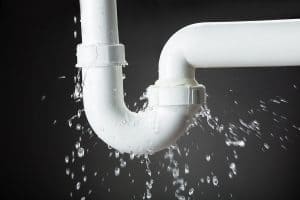
When a pipe develops a leak—whether it’s inside a wall, under the slab, or in the yard between the meter and the house—some of the pressure and volume that should reach your fixtures is escaping instead. A slow slab leak or a pinhole in a supply line can reduce whole-home pressure gradually enough that homeowners adapt to the change without recognizing it as a warning sign. By the time pressure loss is noticeable, the leak may have been present for months. Leak detection and repair in Durham locates these using acoustic and thermal equipment before they escalate into structural damage.
4. Partially Closed Shutoff Valves
This one is more common than it should be. After a repair or a water emergency, the main shutoff or a zone valve sometimes gets reopened only partway. This partially closed valve creates the same symptom as a pressure problem—low flow throughout the house—but luckily, the fix takes 30 seconds. If you think this could be the reason behind your low water pressure, we recommend you check both the main shutoff valve near the water meter, and the secondary shutoff inside your home before assuming the issue is more complex.
5. Municipal Supply Issues
Durham Water Management occasionally performs maintenance or experiences line breaks that temporarily affect supply pressure in specific areas. If your pressure dropped suddenly and your neighbors are experiencing the same thing, the issue is upstream of your property. This type of problem resolves on its own, but the City of Durham’s utility customer service line can confirm whether there is an active issue in your area.
Most whole-home pressure loss in Durham traces back to a failing PRV, corroded supply pipe, hidden leak, or a valve that never got fully reopened. Identifying which one determines whether this is a quick fix or a repair call.
Could Your Water Pressure Loss Be Due to One Fixture or the Whole House?
The first diagnostic question is simple: is every faucet and fixture in the house affected, or just one?
If your pressure stays low at a single fixture, the problem is almost always local. Examples of local causes of pressure loss include a clogged aerator (or, the screen at the end of a faucet), a partially closed supply valve under the sink, or a worn cartridge inside the faucet itself. These issues are homeowner-fixable in most cases.
If your pressure low throughout the house, the problem is likely in the shared system. Examples of this include a PRV, a main shutoff valve, corroded supply lines, a significant leak, or a municipal issue. This type of problem warrants a professional diagnosis.
Last but not least: If your pressure is low when you run hot water only, your water heater is the suspect. Sediment buildup in the tank or a partially closed isolation valve on the water heater can restrict hot water pressure specifically without affecting cold supply. An annual water heater flush prevents this from developing.
Where the pressure loss occurs tells you a great deal about what is causing it. A single fixture is usually local and simple. Whole-home pressure loss needs professional diagnosis.
What You Can Check Yourself Before Calling a Plumber
Before calling a plumber for poor water pressure, run through this quick checklist. Any one of these could be the entire problem.
- Check your main shutoff valve. It should be fully open—turned completely counterclockwise for a gate valve, or with the handle parallel to the pipe for a ball valve. If it is even slightly closed, open it fully and retest pressure.
- Check the secondary shutoff inside the house. Often located near the water meter, water heater, or where the main line enters the foundation. Same test, make sure it is fully open.
- Clean the aerators on affected faucets. Unscrew the aerator from the faucet tip, rinse it under running water, and use a small brush to clear mineral deposits. Reinstall and test. This fixes a surprising number of single-fixture pressure complaints in Durham, where hard water mineral buildup is common.
- Run your water meter test for leaks. Turn off every water source in the house, including faucets, appliances, toilets, everything. Then, check your water meter and note the reading. Wait 15 minutes without using any water and check again. If the meter moved, you have a leak.
- Ask your neighbors. If two or three households on your street have the same sudden pressure drop, it is almost certainly a municipal supply issue and not your plumbing.
A few minutes of checking before you call can save a service visit or point you directly at the cause. A closed valve or a clogged aerator is a common culprit that homeowners can resolve without professional help.
When Low Water Pressure Means You Need a Plumber
Call a licensed plumber for poor water pressure when any of the following applies—waiting in these situations allows the underlying problem to worsen.
- Whole-home pressure dropped suddenly and your basic checks came up clean
- Your water meter test shows movement with all fixtures off—indicating an active leak
- You have noticed wet spots on walls, ceilings, or flooring near supply lines
- Your home has original galvanized pipe and pressure has been declining gradually for months
- Pressure is inconsistent—strong sometimes, weak at other times—which often signals a failing PRV
- You hear running water in walls or under the floor when nothing is in use
Pressure loss linked to a hidden leak is the situation where acting quickly matters most. Water behind walls or under a slab causes structural damage, mold growth, and foundation issues that cost far more to repair than the plumbing problem that started it. Our water pressure services in Durham include full system diagnostic testing so the root cause is identified accurately before any repair work begins.
Sudden whole-home pressure loss, a meter that moves when nothing is running, or water sounds inside walls are all situations where delaying a service call makes the eventual repair more expensive.
How a Plumber Diagnoses and Fixes Poor Water Pressure
When a Streamline plumber arrives for a pressure complaint, the diagnostic process follows a logical sequence rather than guesswork. We start with a calibrated whole-home pressure test at the main supply entry to establish a baseline. From there, we work through the most likely causes in order—PRV condition and calibration, main and zone valve positions, supply line condition, and leak indicators—until we identify the source.
For PRV issues, adjustment or replacement typically restores correct pressure the same day. For corroded supply lines, we walk you through the options honestly—spot repair where it makes sense, or a full home repiping in Durham when the pipe condition has deteriorated throughout the system. For hidden leaks, we use acoustic listening equipment and thermal imaging to locate the source before opening walls, which keeps the repair targeted and your home intact.
A professional pressure diagnosis starts at the main supply entry and works inward systematically. Most repairs are completed same-day. Guessing at the cause without testing first leads to unnecessary work and recurring problems.
How to Keep Water Pressure Stable in Your Durham Home
Prevention is simpler than repair. These are the most effective things Durham homeowners can do to maintain stable pressure and catch problems before they become emergencies.
- Have your PRV tested every few years. PRVs have a service life of 10 to 15 years. A licensed plumber can test the output pressure quickly during any service visit and let you know where yours stands.
- Know where your main shutoff is and make sure it is fully operational. A shutoff valve that has not been operated in years can seize. Test it annually.
- Address any slow drips or minor leaks promptly. The EPA’s WaterSense program estimates that the average home loses nearly 10,000 gallons of water per year to leaks—many of which are actively reducing system pressure.
- Consider a water softener if your home has hard water. Durham’s water supply carries minerals that accumulate in pipes, aerators, and water heaters over time. A whole-home softener slows this buildup and extends the life of your plumbing fixtures and supply lines.
- Schedule a plumbing inspection every two to three years if your home is more than 20 years old. Catching pipe corrosion or a PRV that is drifting out of range before it causes a problem is almost always less expensive than waiting for a failure.
Frequently Asked Questions About Low Water Pressure
What is normal water pressure for a house?
Most residential plumbing systems are designed to operate between 40 and 80 PSI. The sweet spot for most Durham homes is 60 to 70 PSI—enough for strong fixture flow without stressing pipe joints and appliance supply lines. Pressure consistently below 40 PSI will feel noticeably weak at fixtures. Pressure above 80 PSI accelerates wear on every component in the system and is a common cause of unexplained leaks and premature appliance failure.
Can low water pressure damage my plumbing?
Low pressure itself does not damage pipes, but the conditions that cause it often do. A slow leak that is reducing your pressure is simultaneously soaking into walls or a foundation. Corroded pipes that are narrowing your flow will eventually fail completely. The pressure loss is the symptom—the underlying cause is what creates damage over time.
Why did my water pressure drop suddenly overnight?
A sudden overnight pressure drop almost always points to a PRV failure, a supply line leak that has reached a critical size, or a municipal supply interruption. Run your meter test first. If the meter is moving with everything off, you have an active leak and should call a plumber promptly. If the meter is static and your neighbors have the same issue, contact Durham Water Management.
Is low hot water pressure the same problem as low cold water pressure?
Not necessarily. If your cold water pressure is fine but hot water is weak, the issue is localized to your water heater—typically sediment buildup in the tank, a partially closed isolation valve on the heater, or a failing dip tube. An annual water heater flush often prevents this entirely. If both hot and cold are low throughout the house, the problem is in the shared supply system.
How long does it take to fix a water pressure problem?
A PRV adjustment or replacement typically takes one to two hours. A corroded pipe repair or a leak fix varies based on location and access, but most residential pressure repairs are completed in a single visit. We do not start work until we have diagnosed the cause—which keeps the repair targeted and avoids unnecessary work.
Contact Us Today for 24/7 Support in Durham
Weak pressure is one of those problems that rarely resolves on its own—and the longer a hidden leak or a failing PRV goes unaddressed, the more it costs to correct. Streamline Services provides professional water pressure diagnosis and repair throughout Durham, with same-day service and 24/7 emergency availability. Our licensed plumbers hold NC License #23908 P-1 and carry the diagnostic equipment to identify the cause accurately before any work begins. If you are dealing with poor water pressure in your Durham home, call (919) 263-5221 or book online—we will get to the bottom of it.
Founded in 2001, Streamline Services specializes in plumbing, electrical, heating, and cooling solutions across the Triangle region, including Raleigh, Durham, and Chapel Hill. Under Bob’s leadership, the company has built a reputation for reliability, professionalism, and community engagement. As a licensed contractor, Bob holds North Carolina plumbing license #23908 ensuring that Streamline Services meets the highest industry standards. Beyond his role at Streamline Services, Bob is actively involved in the Plumbing-Heating-Cooling Contractors (PHCC) of North Carolina. He serves as the President of the Triangle Chapter and member of the Board of Directors for North Carolina, where he collaborates with industry peers to promote education, safety, and advocacy within the trade. phccnc.com

Written by
Bob Sweet
Bob Sweet is the President and Owner of Streamline Services, a fifth-generation, family-owned company based in Durham, North Carolina. Founded in 2001, Streamline Services specializes in plumbing, electrical, heating, and cooling solutions across the Triangle region, including Raleigh, Durham, and Chapel Hill. Under Bob’s leadership, the company has built a reputation for reliability, professionalism, and community engagement. As a licensed contractor, Bob holds North Carolina plumbing license #23908 ensuring that Streamline Services meets the highest industry standards.