
What a Drought Does to Your Pipes — and What to Watch For
The Triangle has been feeling the heat — and the dry. When drought conditions set in, most people think about brown lawns, watering restrictions, and wilting gardens. But there is something happening underground that deserves just as much attention: the soil shifting beneath your home and along your utility lines.
Drought can quietly damage your water and sewer lines in ways that do not show up until the problem is serious. Here is what is going on under your feet, and the warning signs that something may have gone wrong.
What Drought Does to the Ground
Clay soils, which are common throughout the Piedmont and Triangle region, are particularly vulnerable during dry spells. When moisture drains away, clay contracts — sometimes dramatically. This shrinkage can cause the ground to pull away from itself, creating voids and shifting the soil that your pipes rest on and run through.
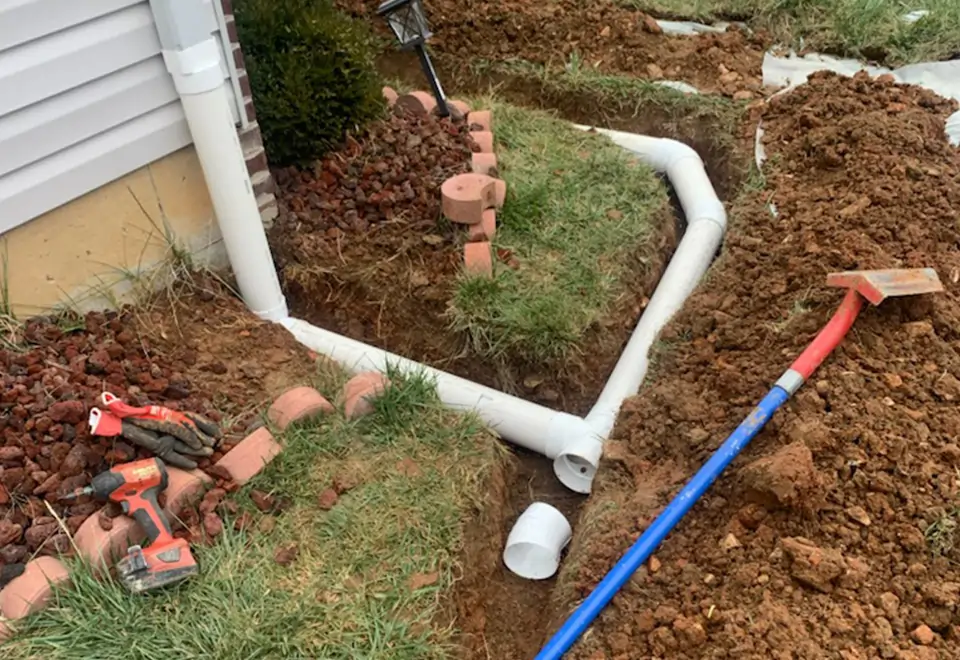
The result? Pipes that were once supported along their entire length can end up spanning gaps in the soil, putting stress on joints and causing them to crack, separate, or collapse. This is especially common in older homes where pipes may already be brittle from age.
Sewer lines are particularly at risk. They are typically buried deeper than water supply lines, and they rely on a consistent slope to move waste toward the municipal system. When the ground shifts, that slope can be disrupted — leading to slow drains, backups, and eventually full blockages.
Drought does not just dry out the yard. It can shrink and shift the soil supporting underground plumbing, which may lead to cracked, separated, or sagging pipes.
How Pipes Break During a Drought
There are a few ways drought conditions lead to pipe damage. Some happen because the soil moves. Others happen because roots become more aggressive while searching for moisture.
Soil settlement and voids
As clay contracts, it can leave air pockets beneath a pipe. Without support, the pipe flexes under its own weight and the weight of soil above it. Over time, this stress causes cracks at joints or along the pipe body itself.
Root intrusion
Tree and shrub roots are opportunistic. During dry conditions, they aggressively seek out moisture — and a sewer line with even a small crack or loose joint is a reliable water source. Once a root finds a way in, it grows and expands, widening the crack and eventually causing a blockage or collapse.
Pipe joint separation
Older clay tile or cast iron pipes are especially susceptible. The joints between pipe sections can pull apart when the surrounding soil shifts, leaving gaps that allow soil and groundwater to enter the line.
Ground movement near the foundation
Drought can cause a home’s foundation to settle unevenly. This movement is transmitted to any pipes that pass through or along the foundation, sometimes shearing them or pulling them apart at connection points.
Warning Signs to Watch For
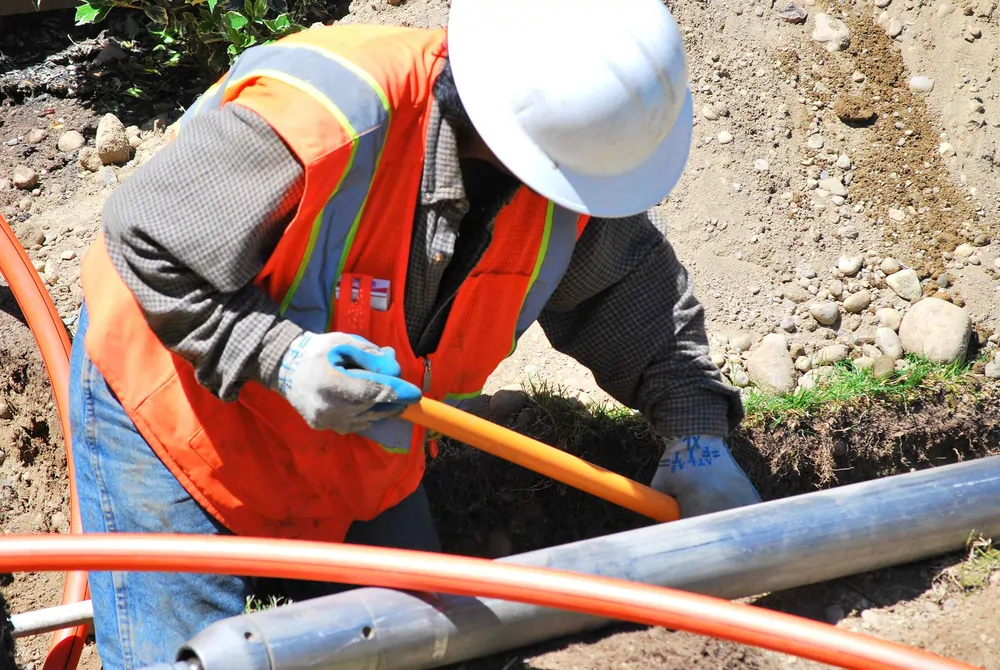
The good news is that a broken water or sewer line usually leaves clues. The key is knowing what to look for before a small problem becomes an expensive one.
Unexplained wet spots in your yard
If you are seeing soggy patches, unusually lush or green grass, or soft ground in your yard — and there has not been rain — that moisture has to be coming from somewhere. It is likely a broken water line or a sewer line leak. Pay particular attention to the area between your house and the street, which is where your main service lines typically run.
A higher-than-normal water bill
A sudden or gradual increase in your water bill, without a change in your household habits, is one of the most reliable indicators of a leak. Even a small crack in a pressurized water line can waste hundreds of gallons per day. If your bill has crept up over the past few months, a leak may be the culprit.
A drop in water pressure
If water pressure at your faucets and showers seems lower than usual, water may be escaping the line before it reaches your home. This is worth investigating quickly, as low pressure can sometimes indicate a significant break.
Slow or gurgling drains
A single slow drain is usually a clog. But if multiple drains throughout your home are draining slowly, or if you hear gurgling sounds after flushing a toilet or running water, that points to a problem deeper in the main sewer line — not just a local clog.
Sewage odors
A functioning sewer system is sealed. If you are smelling sewage — inside your home, in the yard, or near a drain cleanout — it means sewer gases are escaping through a crack or break somewhere in the line.
Cracks in your foundation or driveway
Visible cracking in concrete or pavement near your home can indicate significant soil movement beneath the surface. If you are seeing new cracks near where your service lines run, it is worth having the lines inspected.
Indentations or sinkholes in the yard
A small depression or sunken area in your lawn, especially in a line between your house and the street, can indicate that a broken pipe is slowly washing soil away underground.
Wet spots, rising water bills, low pressure, gurgling drains, sewer odors, and sunken areas in the yard are all warning signs that underground plumbing may have been damaged.

What to Do If You Spot These Signs
If you notice one or more of these warning signs, do not wait. A small leak or crack will only get worse — especially if the drought continues and soil movement increases.
Start with your water meter
Turn off all water in your home, then check whether your meter is still moving. If it is, you have a leak somewhere between the meter and your house. This is your responsibility to repair, even though the line runs to the street.
Call a licensed plumber
A professional can perform a camera inspection of your sewer line, which is the most reliable way to identify cracks, root intrusion, joint separation, or collapse without digging. Water lines can be located and tested for leaks as well.
Document the problem
Take photos of wet spots, sinkholes, or cracks and note when you first observed them. This documentation can be helpful for insurance claims or disputes.
Contact your municipality if needed
If the problem appears to be on the public side of the meter or in a city-maintained sewer main, contact your local water and sewer department. In the Triangle, that would be your local utility — Durham, Raleigh, Cary, or your county utility system.
The Bottom Line
Droughts do not just stress your lawn — they stress your entire underground infrastructure. As the Triangle continues to experience dry conditions, keeping an eye on these warning signs can help you catch a pipe problem early, before it turns into a flooded yard, a sewage backup, or an emergency repair bill.
When in doubt, have it looked at. A camera inspection costs far less than a broken sewer line left unaddressed.
Frequently Asked Questions About Drought and Underground Pipes
Can drought really damage sewer lines?
Yes. Drought can cause clay-heavy soil to shrink and shift. When that happens, sewer lines may lose support, settle unevenly, crack, separate at the joints, or develop low spots that lead to backups.
Why do tree roots get into sewer lines during dry weather?
During dry conditions, roots search more aggressively for moisture. A small crack or loose joint in a sewer line can provide a steady water source, attracting roots into the pipe and eventually causing blockages or structural damage.
What is the first sign of an underground water line leak?
Common early signs include unexplained wet spots in the yard, unusually green patches of grass, a higher water bill, or reduced water pressure inside the home.
How can I tell if the problem is my responsibility or the city’s?
In many cases, homeowners are responsible for the service line between the home and the meter or municipal connection. If the issue appears to be on the public side of the meter or in a city-maintained sewer main, contact your local utility department.
Schedule a Sewer or Water Line Inspection Across the Triangle
If you are seeing wet spots, slow drains, sewer odors, low water pressure, or signs of soil movement near your home, Streamline Services can help inspect the problem before it becomes an emergency.
Our licensed plumbing team serves Raleigh, Durham, Cary, Chapel Hill, Apex, Holly Springs, Wake Forest, and the surrounding Triangle communities with sewer camera inspections, leak detection, water line repair, and sewer line solutions.
Streamline Services Can Help Today
If your tank is aging out, your bills are climbing, or you’re tired of running out of hot water at the worst possible time, get a no-pressure estimate before the next failure forces the decision. Call or contact us online to schedule your free tankless water heater installation estimate.Founded in 2001, Streamline Services specializes in plumbing, electrical, heating, and cooling solutions across the Triangle region, including Raleigh, Durham, and Chapel Hill. Under Bob’s leadership, the company has built a reputation for reliability, professionalism, and community engagement. As a licensed contractor, Bob holds North Carolina plumbing license #23908 ensuring that Streamline Services meets the highest industry standards. Beyond his role at Streamline Services, Bob is actively involved in the Plumbing-Heating-Cooling Contractors (PHCC) of North Carolina. He serves as the President of the Triangle Chapter and member of the Board of Directors for North Carolina, where he collaborates with industry peers to promote education, safety, and advocacy within the trade. phccnc.com

Written by
Bob Sweet
Bob Sweet is the President and Owner of Streamline Services, a fifth-generation, family-owned company based in Durham, North Carolina. Founded in 2001, Streamline Services specializes in plumbing, electrical, heating, and cooling solutions across the Triangle region, including Raleigh, Durham, and Chapel Hill. Under Bob’s leadership, the company has built a reputation for reliability, professionalism, and community engagement. As a licensed contractor, Bob holds North Carolina plumbing license #23908 ensuring that Streamline Services meets the highest industry standards.